Written by:
Pierce J.
Published:
May 22, 2026
Not sure what to pack first when moving? Follow our expert timeline to organize your home, declutter, and box up non-essentials for a smooth relocation.
Starting the relocation process can feel like an overwhelming mountain of tasks, but success lies in your initial organization. Deciding what to pack first when moving is the most critical step to ensure your home transition stays on track and remains manageable. By identifying non-essential items early, you can clear out clutter and create a clear workspace for the remaining rooms. This logical approach reduces last minute stress and helps you maintain a sense of order while you prepare your valuable belongings for their journey to a brand new residence.
Streamline your upcoming relocation by calling (941) 231 2831 to speak with our experts about organizing your household packing schedule today.
A well structured timeline allows you to balance your daily responsibilities while making steady progress on your home preparations. When you understand what to pack first when moving, you avoid the frustration of living out of boxes for longer than necessary. Focusing on storage areas and seasonal goods helps you build momentum without disrupting your essential daily routines. This preparation phase is the foundation of a successful move, ensuring that every box is packed with intention and care before the professional loading crew arrives at your front door.
The attic, basement, and garage are typically the best places to begin when you are deciding what to pack first when moving. These rooms usually contain items that you do not use on a daily basis, such as holiday decorations, old files, or sports equipment. Clearing these large spaces early provides you with ample room to store packed boxes as you move through the rest of your home.
Since these areas often hold forgotten items, this is also the perfect time to declutter and donate things you no longer need. For example, you might find that you can reduce your total load by 600 pounds just by sorting through old tools and forgotten boxes. Starting in storage rooms builds confidence and gives you a clear visual of the progress you are making toward your goal.
If you are moving in the middle of summer, your winter coats and heavy blankets are prime candidates for what to pack first when moving. Out of season clothing takes up significant space and is easily boxed up weeks in advance without affecting your comfort. Use vacuum sealed bags for bulky sweaters and comforters to maximize your box space and keep fabric protected from dust.
Conversely, if you are relocating during the colder months, your summer wardrobe and beach towels should go into containers immediately. Labeling these boxes clearly ensures that you will not go hunting for a winter coat during a sudden cold snap. This phase of the process is highly efficient and helps you realize just how many belongings can be secured well before the actual moving day arrives.
Books are incredibly heavy and time consuming to pack, making them a top priority for what to pack first when moving. Unless you are currently reading a specific volume, your home library can be safely tucked away into small, sturdy boxes early in the process. Ensure you pack books flat or spine down to prevent any damage to the bindings during their stay in the box.
Because book boxes are heavy, having them finished early allows you to place them at the bottom of your storage stacks. This creates a stable base for lighter boxes filled with linens or decorative items. Managing your heavy items first ensures that you are not left with the most physically demanding tasks during the final, often more hectic, days of your local and long distance moving household relocation.
Special occasion dishes and crystal glassware are rarely used for daily meals, making them ideal for what to pack first when moving. These items require a high level of technical skill and plenty of protective material to ensure they stay safe. Taking the time to wrap each piece individually in clean packing paper prevents scratches and accidental breakage during transport.
By boxing up your formal dining room early, you can also clear out large furniture pieces like china cabinets or buffets. This opens up the floor plan and makes it much easier for the moving crew to navigate through your home. Prioritizing these fragile items when you have the most energy ensures they receive the attention and careful handling they truly deserve.
Paintings, framed photos, and decorative mirrors are essential for making a house feel like a home, but they are not necessary for daily function. When deciding what to pack first when moving, removing items from your walls is a smart move. Secure these pieces with specialized picture boxes and plenty of bubble wrap to prevent glass from shattering or frames from chipping.
As you take down your decor, you can also begin patching small nail holes and cleaning the walls. This proactive approach saves you a massive amount of time during the final walk through of your old residence. Clearing the walls also makes the home feel less cluttered, which can help reduce the mental fatigue that often accompanies a large and complex residential transition.
If you have a guest bedroom or a home office that is not used frequently, these rooms should be high on your list for what to pack first when moving. You can pack up the guest linens, extra pillows, and stationary supplies weeks before your departure date. This essentially closes off a portion of the house, reducing the total area you need to maintain and clean.
Emptying these secondary rooms also allows you to use them as a staging area for all your finished boxes. Keeping your packed items organized in one or two designated rooms prevents your main living areas from becoming an obstacle course. This organization is a key factor in maintaining a calm and safe environment for your family and your professional moving team.
The kitchen is arguably the most difficult room to pack, but you can still identify what to pack first when moving within this space. Start with small appliances you rarely use, such as bread makers, waffle irons, or extra blenders. You can also box up specialty cookbooks and extra sets of Tupperware that are currently taking up valuable cabinet and counter space.
Try to pare down your daily kitchen items to a few essential plates, cups, and utensils. By simplifying your kitchen early, you can clean out the cabinets and ensure that everything is ready for a quick final pack. This strategy ensures that the heart of your home stays functional until the very last moment while still making significant progress on the overall project.
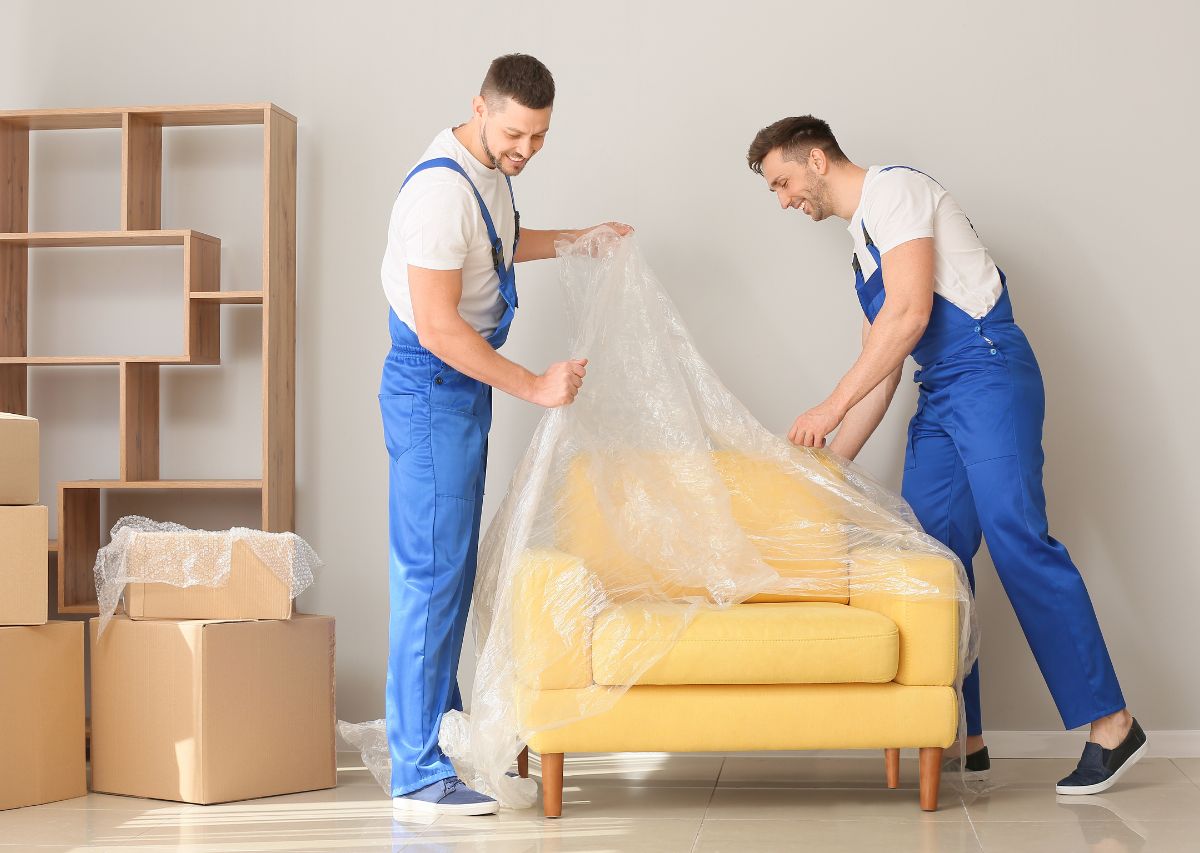
Hiring a professional team is the most effective way to manage the logistics of a large move. Experts bring the necessary strength and technical skill to handle heavy lifting much faster than an untrained individual. They use specialized equipment like heavy duty dollies and furniture straps to move large pieces safely through even the tightest corners and narrow hallways of your home.
A skilled moving crew also understands how to distribute weight in the truck to prevent shifting and damage during the drive. This specialized knowledge saves you time because they do not have to rearrange items multiple times to make everything fit perfectly. By trusting a proven crew, you ensure that every minute of your moving day is used productively and your belongings are treated with respect.
As you finish deciding what to pack first when moving, you must also prepare for the first night in your new home. An essentials box should contain basic toiletries, a change of clothes, basic tools, and any necessary chargers. This box should be the last thing loaded onto the truck or, ideally, carried with you in your personal vehicle for immediate access.
Having these items ready prevents you from having to search through dozens of boxes for a toothbrush or a phone charger after a long day of moving. This small but vital step ensures that your first night in your new neighborhood is as comfortable and stress free as possible. Proper preparation allows you to wake up in your new home feeling refreshed and ready to start the unpacking process.
The quality of your packing directly impacts the safety of your belongings during transit. Professional packers use high quality materials and specialized techniques to secure fragile items that the average person might find difficult to handle. This expertise is particularly valuable for protecting expensive electronics, antique furniture, and large glass surfaces during a long distance or local move.
A professional team saves you hundreds of hours of labor and allows you to focus on the emotional and administrative aspects of your transition. They work efficiently to ensure that every item is boxed securely and labeled correctly for a smooth unloading process. By choosing a company that values safety and precision, you can rest easy knowing your most valuable possessions are in highly capable and experienced hands.
Wellen Moving has built a strong heritage of trust by providing the community with reliable and honest residential services for many years. We offer comprehensive packing, secure transportation, and professional unloading to ensure your project stays on schedule. Our team differentiates itself through extreme attention to detail and a commitment to your family's comfort. Let our experts handle the heavy lifting while you enjoy a smooth transition to your brand new home.
Contact: | (941) 231 2831
You should start with storage areas like the garage, attic, and basement. These rooms contain items like holiday decor and seasonal gear that you do not need for your daily routine. Packing these items early provides you with a clear staging area for boxes as you move through the rest of your home.
It is best to start the packing process at least four to six weeks before your moving date. This allows you to work room by room without feeling rushed or overwhelmed. Beginning early gives you plenty of time to declutter your belongings and ensure that every fragile item is wrapped with absolute care.
Most professionals recommend packing by room to make the unpacking process much more organized at your new home. This ensures that all kitchen items stay together and bedrooms can be set up quickly. Clearly labeling each box with its destination room is a vital part of a successful moving strategy.
The kitchen is usually the most challenging room because it contains many small, fragile, and oddly shaped items. You should save the daily kitchen essentials for last but begin boxing up specialty appliances and extra dishes early. This approach keeps the kitchen functional while still making progress.
Hiring professionals is a great choice if you have a busy schedule or many fragile items like antiques and fine china. Experts use high quality materials to ensure your belongings are protected from damage during transit. This service saves you time and provides peace of mind during a complex transition.
Secure your moving date with Wellen Moving LLC and receive a detailed, upfront estimate for your home or business relocation.